top of page

Transit in miami

01
Like many Miami commuters, riders often pay $4.50 for daily parking before even entering the public transit system, adding to the overall cost of using Metrorail.
Like many Miami commuters, riders often pay $4.50 for daily parking before even entering the public transit system, adding to the overall cost of using Metrorail.

02
A round-trip on Metrorail costs $4.50, and while ticket machines now support contactless payment, technical issues can sometimes limit accessibility for riders.

03
Metrorail serves approximately 15 million riders annually, making it a key part of Miami-Dade’s transportation network.

04
Miami-Dade’s Metrorail system spans 23 stations, connecting major residential areas with downtown and key employment hubs.

05
Aging infrastructure and maintenance limitations continue to affect rider experience across Miami-Dade Transit, where system conditions can influence public trust and usage.

06
On average, nearly 50,000 riders rely on Metrorail daily for transportation across Miami-Dade County.

07
During peak hours, trains typically arrive every 10 - 12 minutes, offering more consistent service for commuters traveling to and from work.

08
Ridership on Miami’s Metrorail has been gradually recovering post-pandemic, reflecting a renewed reliance on public transportation.

09
Off-peak service intervals in U.S. transit systems are often two to three times longer than during peak hours, increasing wait times for riders, according to the American Public Transportation Association.

10
Off-peak hours often see significantly lower ridership, highlighting how demand for public transit in Miami is heavily concentrated during work hours, according to the Federal Transit Administration’s National Transit Database.

11
While longer wait times can be frustrating, transit commutes can offer riders time for productivity, an advantage that contrasts with car-dependent travel in cities like Miami, according to the American Public Transportation Association.

12
Public transportation remains a limited option in Miami, with only about 6% of workers using it as their primary way to commute, according to the U.S. Census Bureau.
01 / 12
Like many Miami commuters, riders often pay $4.50 for daily parking before even entering the public transit system, adding to the overall cost of using Metrorail.
Like many Miami commuters, riders often pay $4.50 for daily parking before even entering the public transit system, adding to the overall cost of using Metrorail.
01
Like many Miami commuters, riders often pay $4.50 for daily parking before even entering the public transit system, adding to the overall cost of using Metrorail.
Like many Miami commuters, riders often pay $4.50 for daily parking before even entering the public transit system, adding to the overall cost of using Metrorail.
02
A round-trip on Metrorail costs $4.50, and while ticket machines now support contactless payment, technical issues can sometimes limit accessibility for riders.
03
Metrorail serves approximately 15 million riders annually, making it a key part of Miami-Dade’s transportation network.
04
Miami-Dade’s Metrorail system spans 23 stations, connecting major residential areas with downtown and key employment hubs.
05
Aging infrastructure and maintenance limitations continue to affect rider experience across Miami-Dade Transit, where system conditions can influence public trust and usage.
06
On average, nearly 50,000 riders rely on Metrorail daily for transportation across Miami-Dade County.
07
During peak hours, trains typically arrive every 10 - 12 minutes, offering more consistent service for commuters traveling to and from work.
08
Ridership on Miami’s Metrorail has been gradually recovering post-pandemic, reflecting a renewed reliance on public transportation.
09
Off-peak service intervals in U.S. transit systems are often two to three times longer than during peak hours, increasing wait times for riders, according to the American Public Transportation Association.
10
Off-peak hours often see significantly lower ridership, highlighting how demand for public transit in Miami is heavily concentrated during work hours, according to the Federal Transit Administration’s National Transit Database.
11
While longer wait times can be frustrating, transit commutes can offer riders time for productivity, an advantage that contrasts with car-dependent travel in cities like Miami, according to the American Public Transportation Association.
12
Public transportation remains a limited option in Miami, with only about 6% of workers using it as their primary way to commute, according to the U.S. Census Bureau.
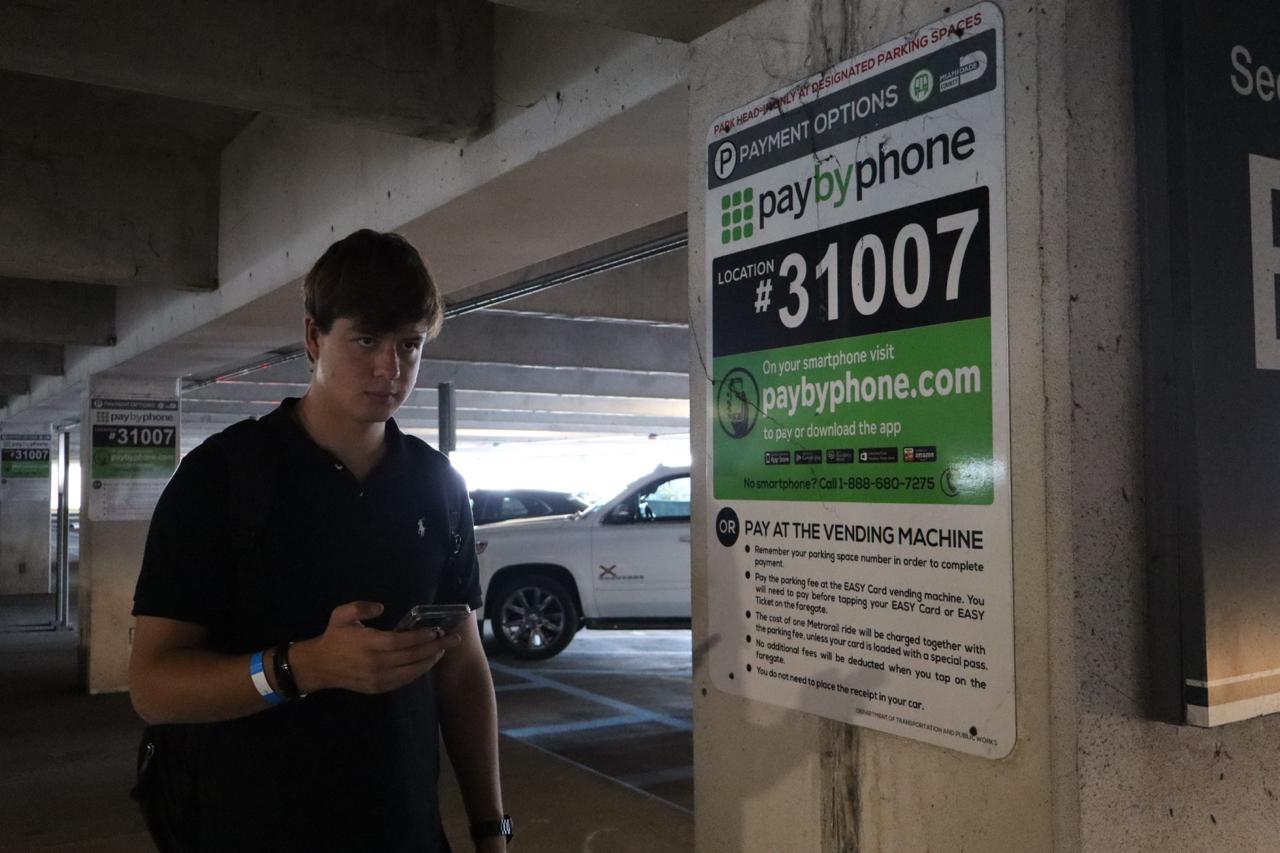
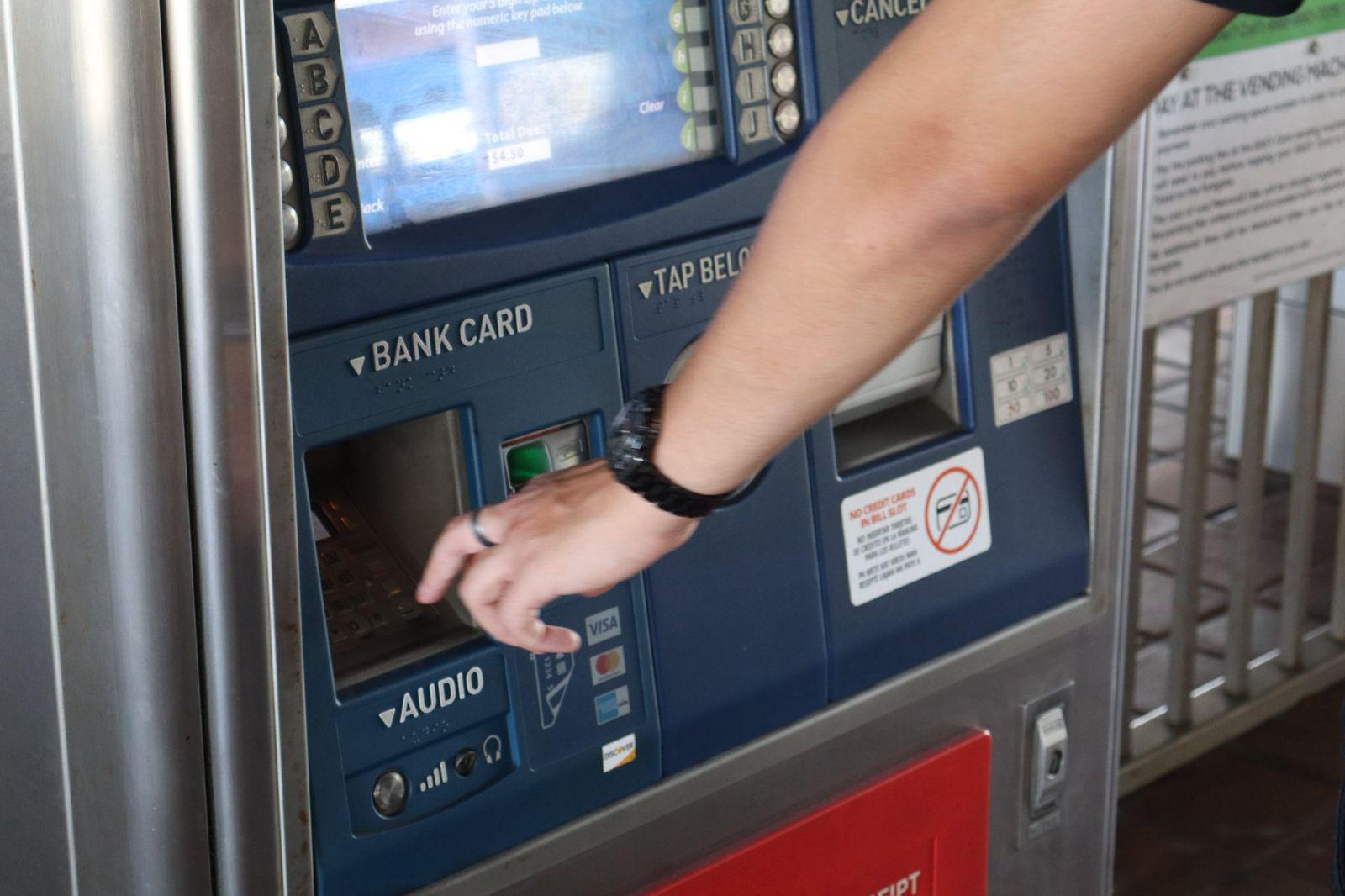
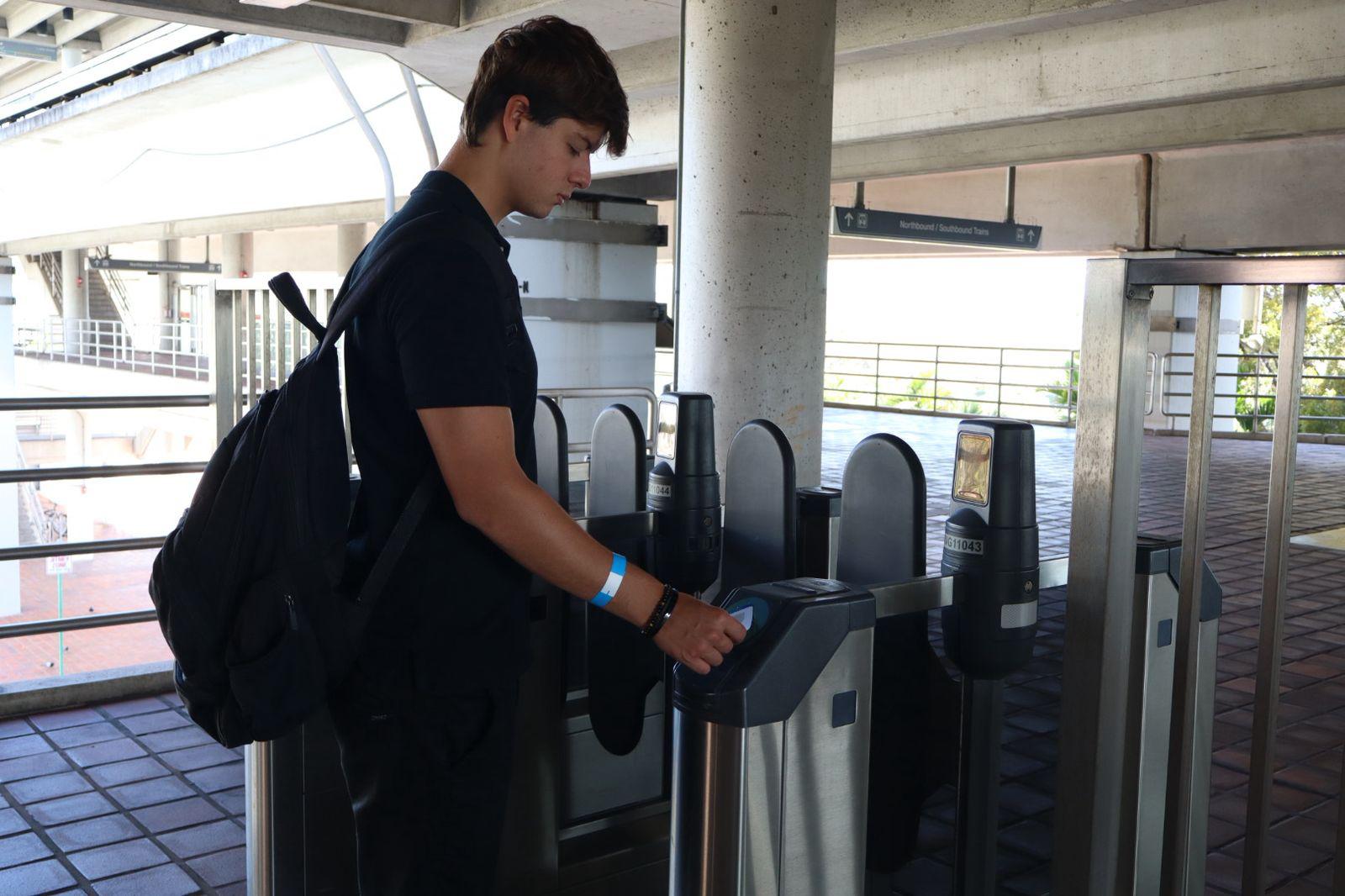
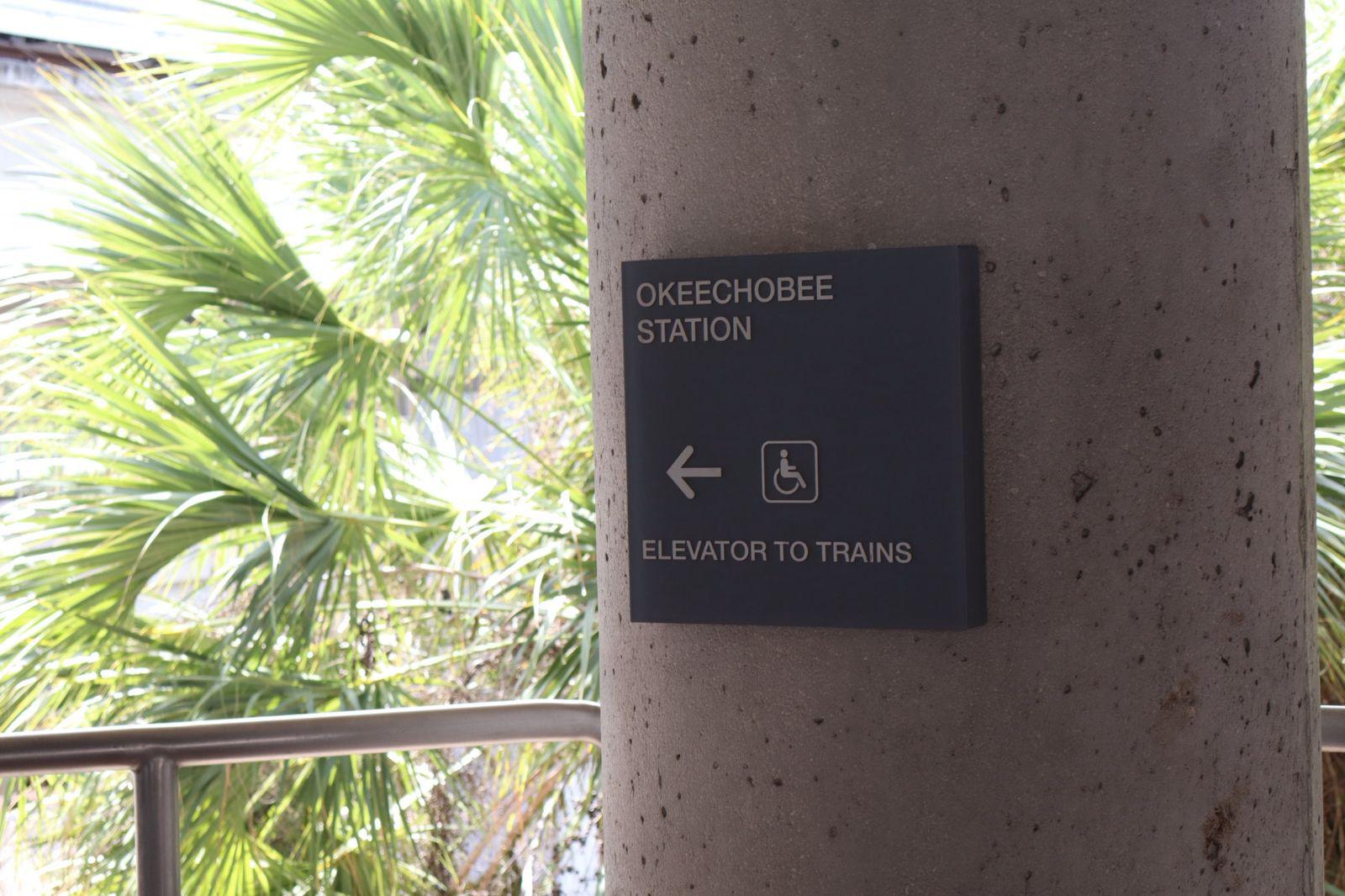

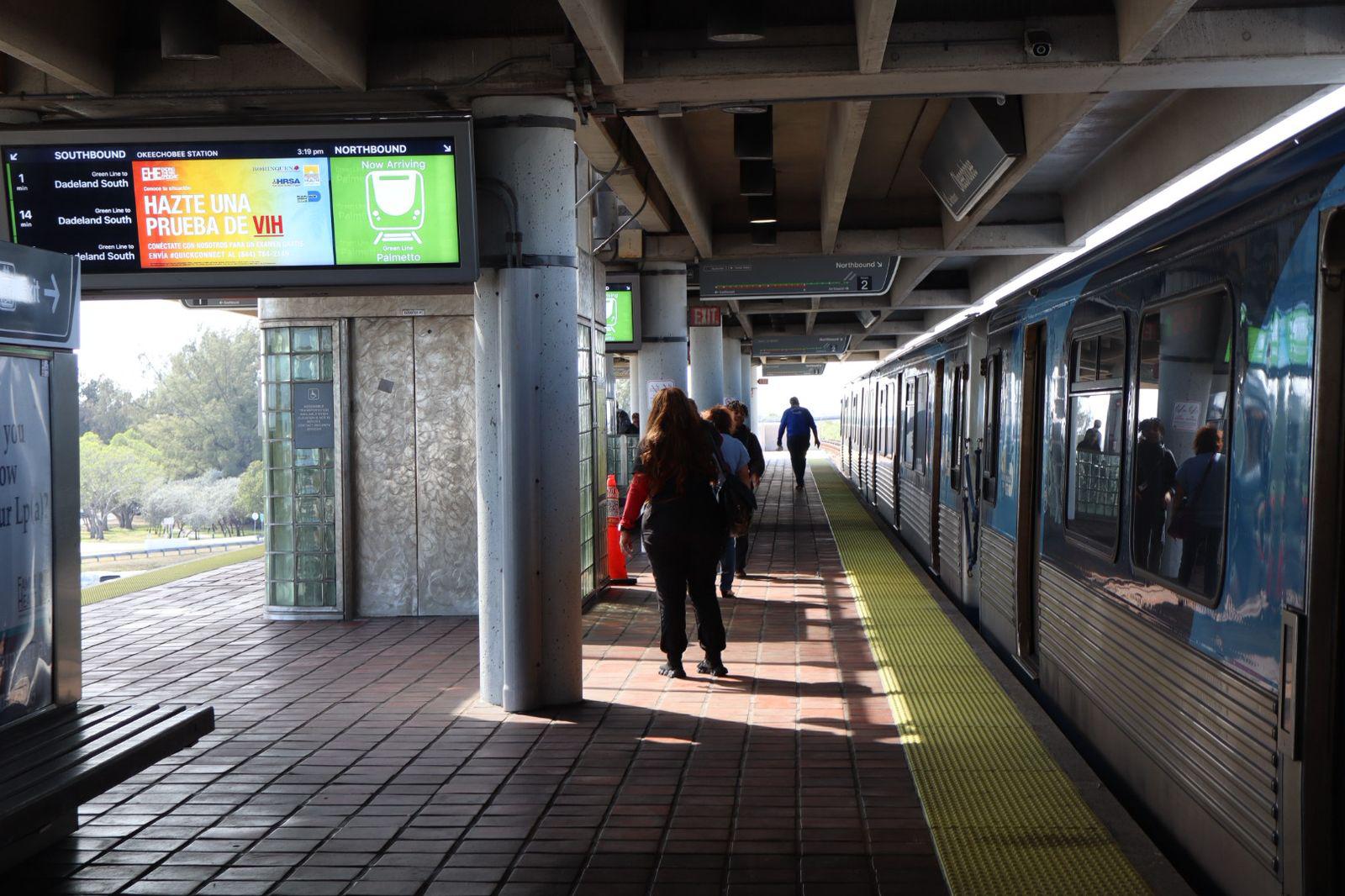


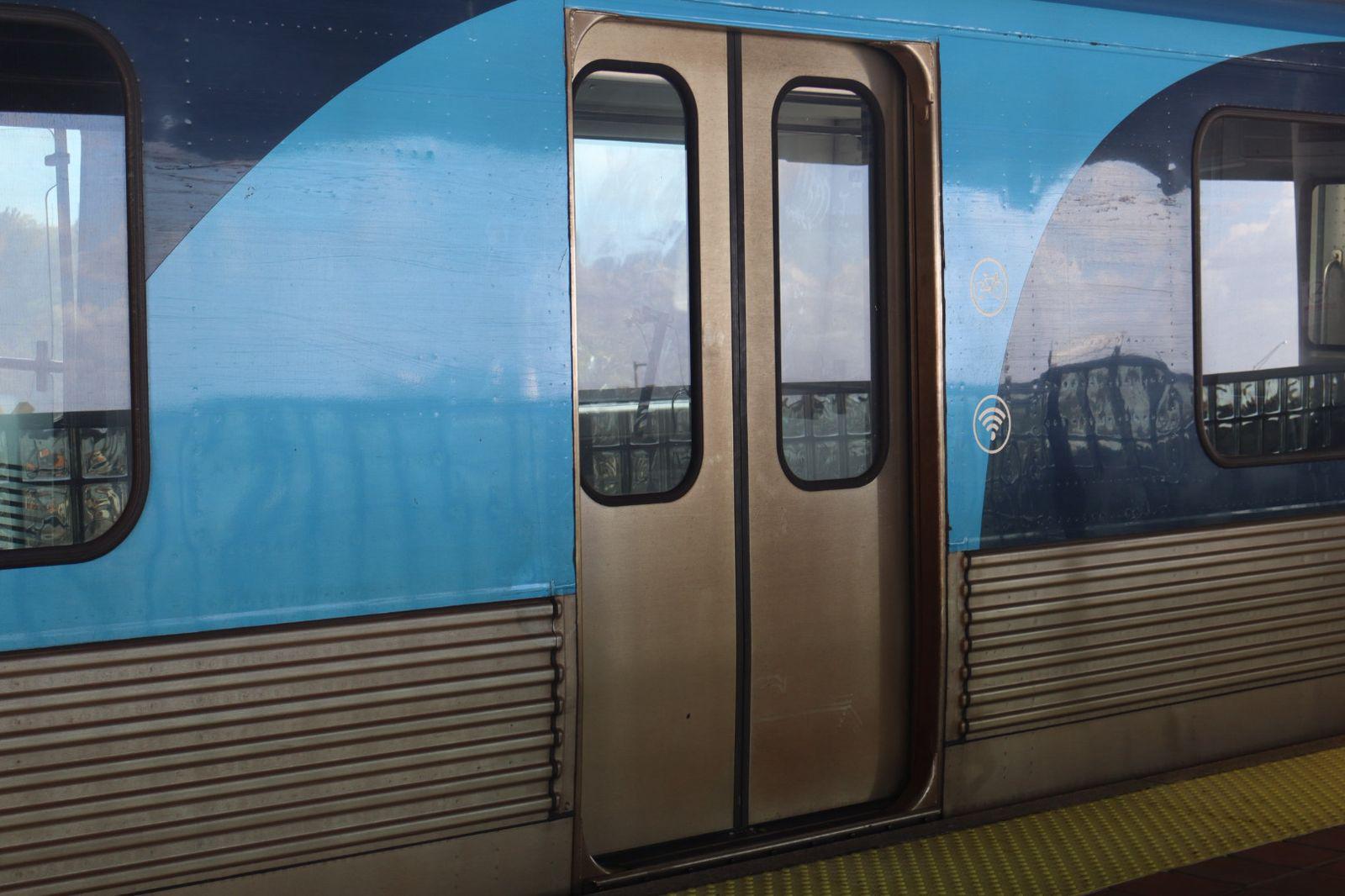
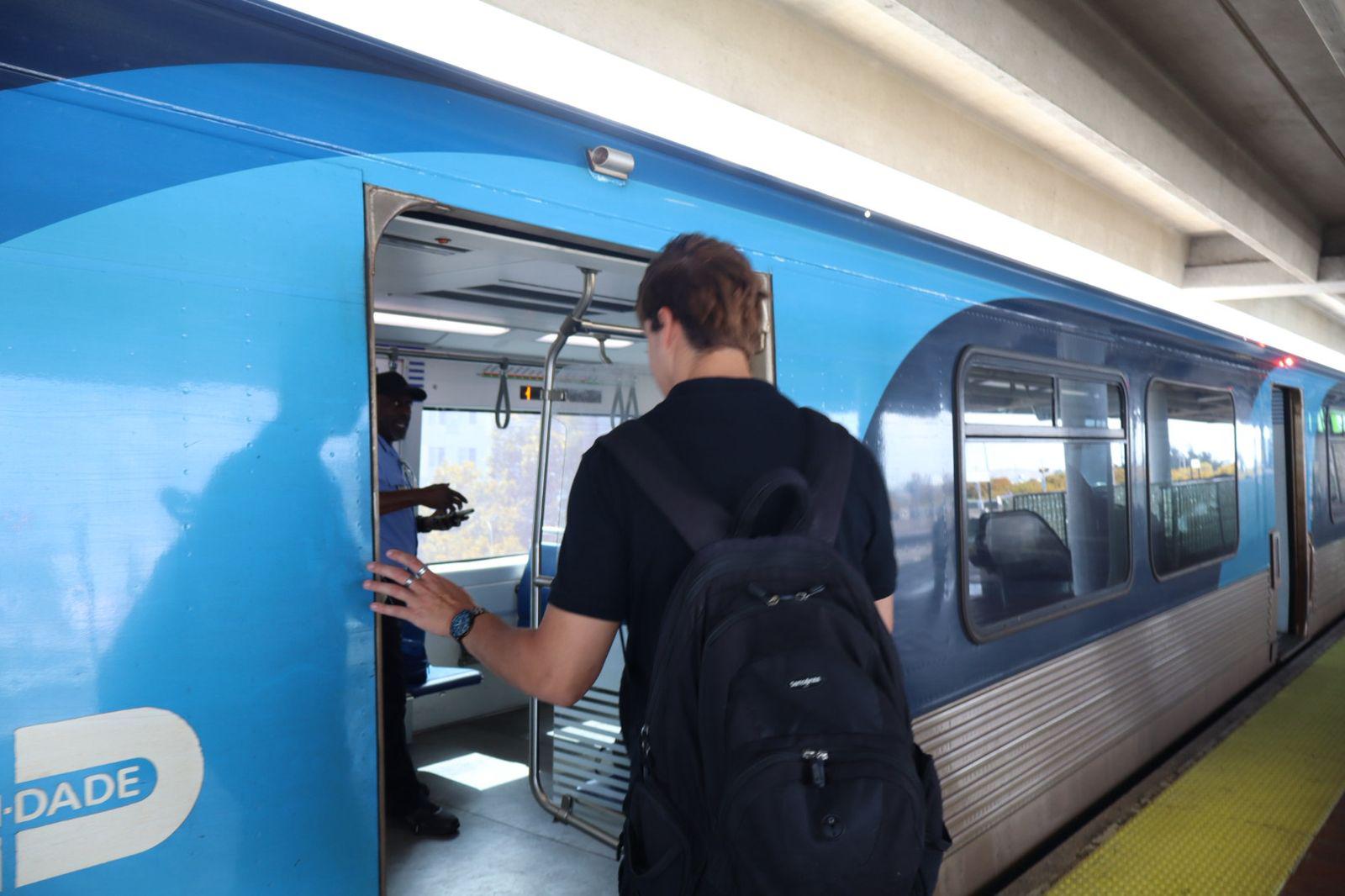
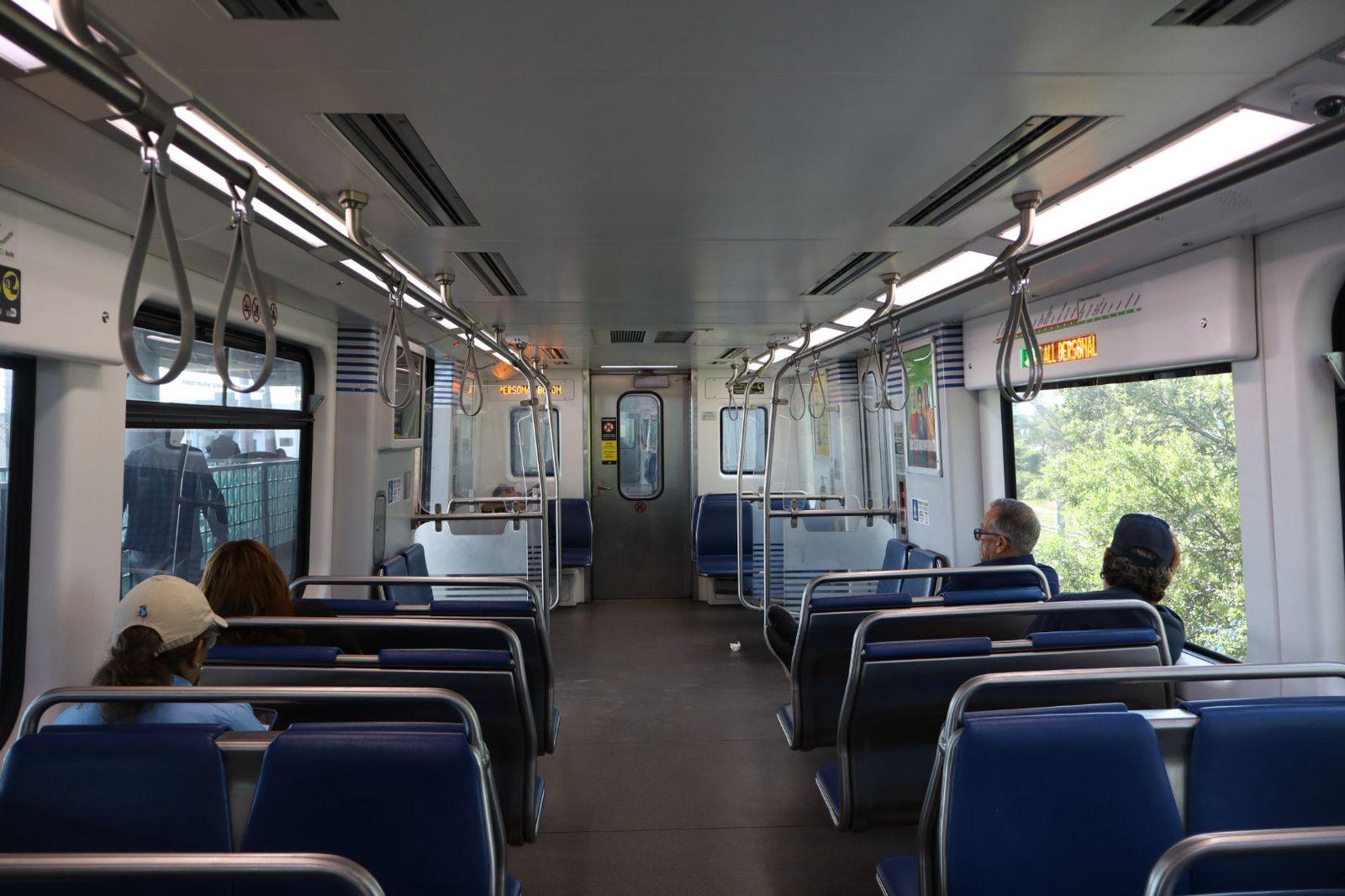
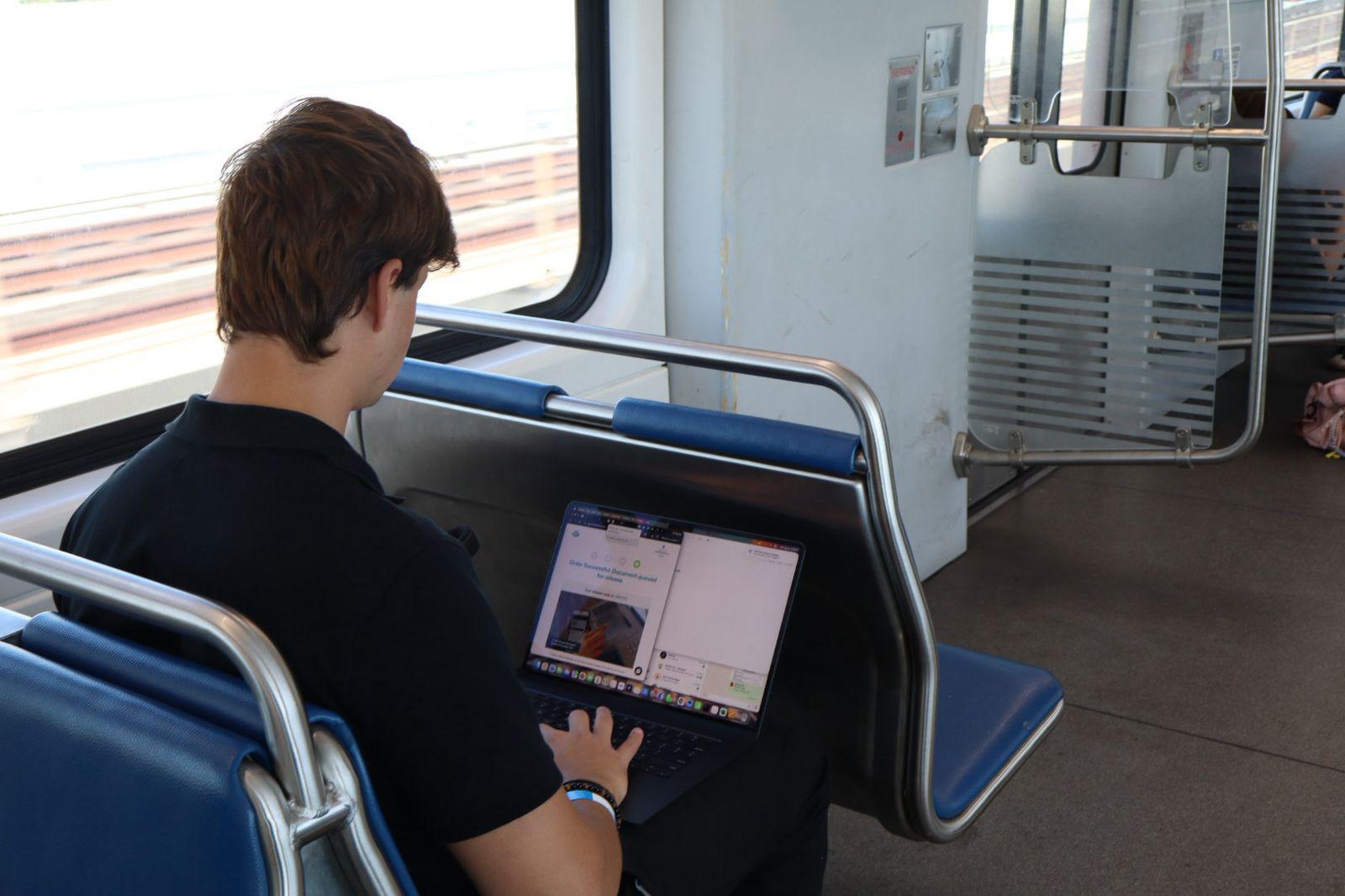
PHOTO ESSAY
A series of photos following a commuters life on the Miami Metrorail.
bottom of page